Embrace Tradition and Wellness: Why Gorintaku is synonymous with Ashadam!
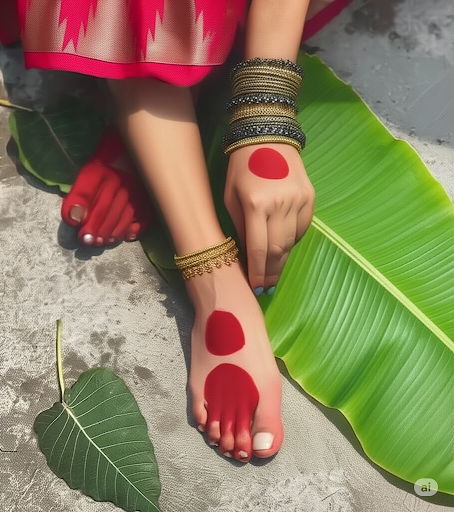
As the monsoon clouds gather and the scent of wet earth fills the air, the auspicious month of Ashadam (also known as Ashada Masam) arrives, bringing with it a beautiful tradition for women across India: applying Gorintaku. More than just a vibrant adornment, Gorintaku (or henna/mehendi) holds deep cultural significance and offers remarkable health benefits, making it an essential ritual for the season.
The Timeless Charm of Gorintaku in Ashadam
For centuries, women have adorned their hands and feet with the rich, reddish-orange hues of Gorintaku during Ashadam. This tradition is particularly prevalent in South India, where it's not just a beauty practice but a cherished custom passed down through generations. The sight of hands beautifully stained with Gorintaku is synonymous with the joy and vibrancy of the monsoon season.
In Telugu households, Gorintaku holds a particularly special place during Ashadam. It is seen as a symbol of good fortune, prosperity, and marital bliss. Many believe that the deeper the color of the Gorintaku, the stronger the bond between a woman and her husband. It's also a time for women to gather, share stories, and strengthen family ties, making the application of Gorintaku a beloved social event as much as a traditional one.
Beyond Beauty: The Ayurvedic Wisdom of Gorintaku
While the aesthetic appeal of Gorintaku is undeniable, its true essence lies in its incredible health benefits, especially during the monsoon. According to Ayurveda, the ancient Indian system of medicine, Ashadam is a time when the body's immunity can be lower, and skin ailments are more common due to increased humidity and dampness. This is where Gorintaku comes to the rescue!
* Natural Coolant: Gorintaku is known for its cooling properties. Applying it to the hands and feet helps in regulating body temperature, providing relief from the humid weather and preventing excessive body heat.
* Antiseptic and Antimicrobial: The natural compounds in henna possess potent antiseptic and antimicrobial properties. During the monsoon, when fungal and bacterial infections are more prevalent, Gorintaku acts as a protective barrier, safeguarding the skin from various ailments like ringworm, nail infections, and other skin irritations.
* Improved Blood Circulation: The application of Gorintaku is believed to stimulate nerve endings in the hands and feet, promoting better blood circulation. This can contribute to overall well-being and keep your extremities healthy.
* Strengthens Nails: Gorintaku helps in preventing brittle nails and keeps them strong and healthy, protecting them from the softening effects of constant exposure to moisture during the rainy season.
* Stress Reliever: The intricate process of applying Gorintaku, often done in groups, is a calming and meditative activity. It provides a sense of relaxation and fosters social bonding, contributing to mental well-being.
Why Ashadam is the Perfect Time
The timing of this tradition during Ashadam is no coincidence. As the monsoon progresses, the Gorintaku plant flourishes, yielding fresh, tender leaves that produce the deepest and most vibrant stains. This ensures that the natural goodness of the plant is at its peak, offering maximum benefits.
Embrace the Tradition
So, this Ashadam, embrace the timeless tradition of Gorintaku. Not only will you adorn your hands with beautiful designs, but you'll also be nurturing your body with a natural remedy that has stood the test of time. Opt for natural, freshly ground Gorintaku paste over chemical-laden cones to truly reap its traditional and health benefits.
Share your favorite Gorintaku designs and memories in the comments below!
Rate this Article
About the Author
Kavya Sree Danasi
Author at Her Insights
.jpg?alt=media&token=7ca684ab-30ee-4756-8fe9-7cee76709d58)